A successful first event is great. Seeing the same faces at the next one is what keeps an association, a club or a workshop series alive. But your audience first needs to know when you are organising again.
One page for all your events
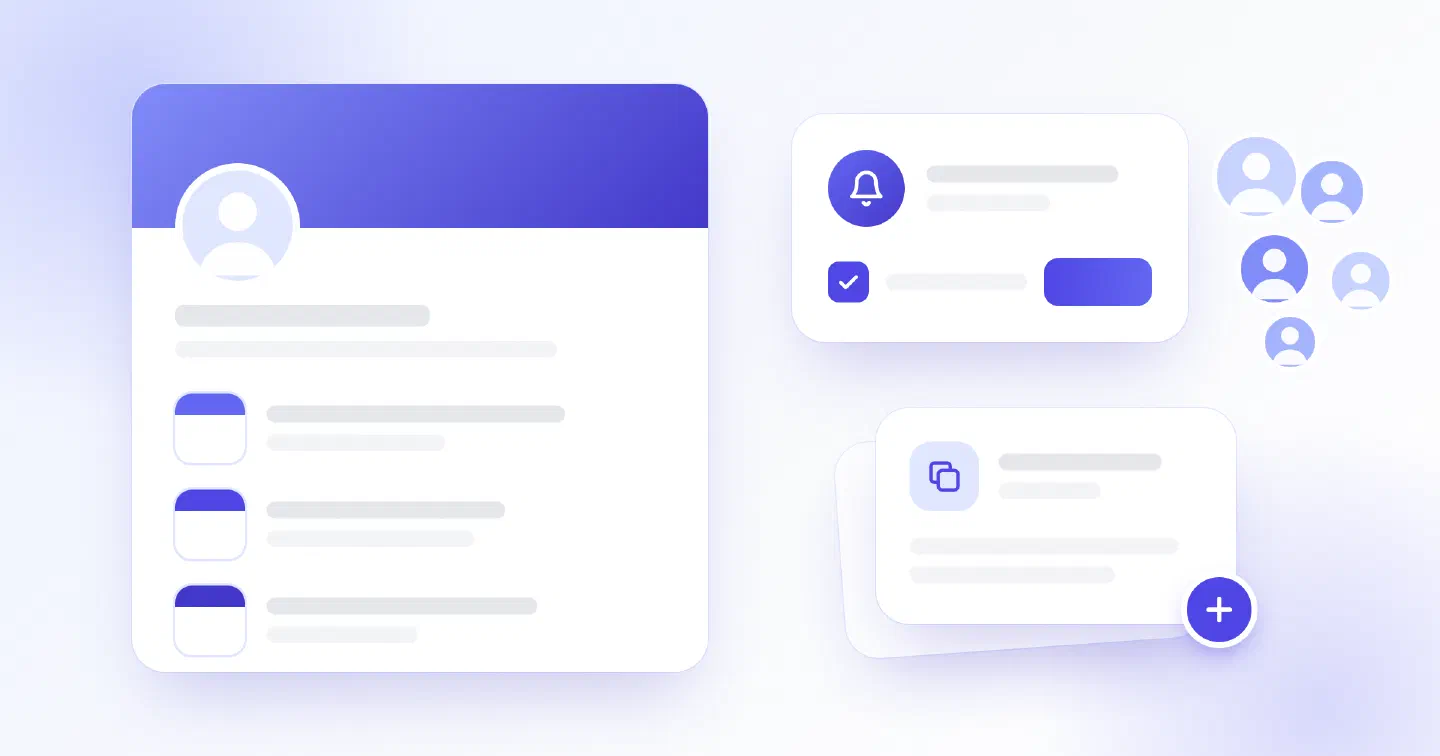
Your public organiser page says who you are and lists your upcoming events. It is the address to share once and for all: on social media, in your e-mail signature, on a poster. It is off by default; you switch it on whenever you like from your profile.
A short, warm introduction helps a lot: what you organise, for whom, how often.
Subscribers who said yes
Visitors can subscribe to your events with their e-mail address by ticking an explicit consent box. Nobody is added to your list without asking: no contact imports, no automatic sign-ups. Your announcements reach people who chose to receive them.
Announce every new event
On paid plans, when you publish a new event, you notify your subscribers with a button on the event’s page. Each event can only be announced once: your subscribers are never chased twice about the same thing.
Every message includes an unsubscribe link: nobody stays on your list against their will.
Launch the next edition quickly
The best moment to announce what comes next is right after. A few hours after your event ends, you receive a recap with the number of registrants, attendees and no-shows when you scanned tickets at the door, and a link to create the next one.
For a series (a monthly workshop, a quarterly meetup), duplicate the previous event instead: title, description, venue, image and form fields carry over into a draft; you only adjust the date and publish.
Listen, so people want to come back
People come back where they were listened to. The post-event questionnaire tells you what worked and what was missing. Mentioning in your next announcement what you improved thanks to feedback shows that everyone’s opinion counts.